.png)
Recommended listening when reading Spotify: Nils Frahm - Says
Author architecture transforms bricks into a safe haven with no expiry date.
Trophy asset defines an object that escapes the comparative tables of real estate portals. You don't buy a penthouse in Piazza San Babila or a villa in Portaluppi to add square meters to the heritage, but to seize a fraction of history. Scarcity is not a marketing fact, it is a physical condition: certain volumes, certain perspectives and certain material joints cannot be replicated. In a global market saturated with building standardization, architectural uniqueness acts as a natural barrier against devaluation.
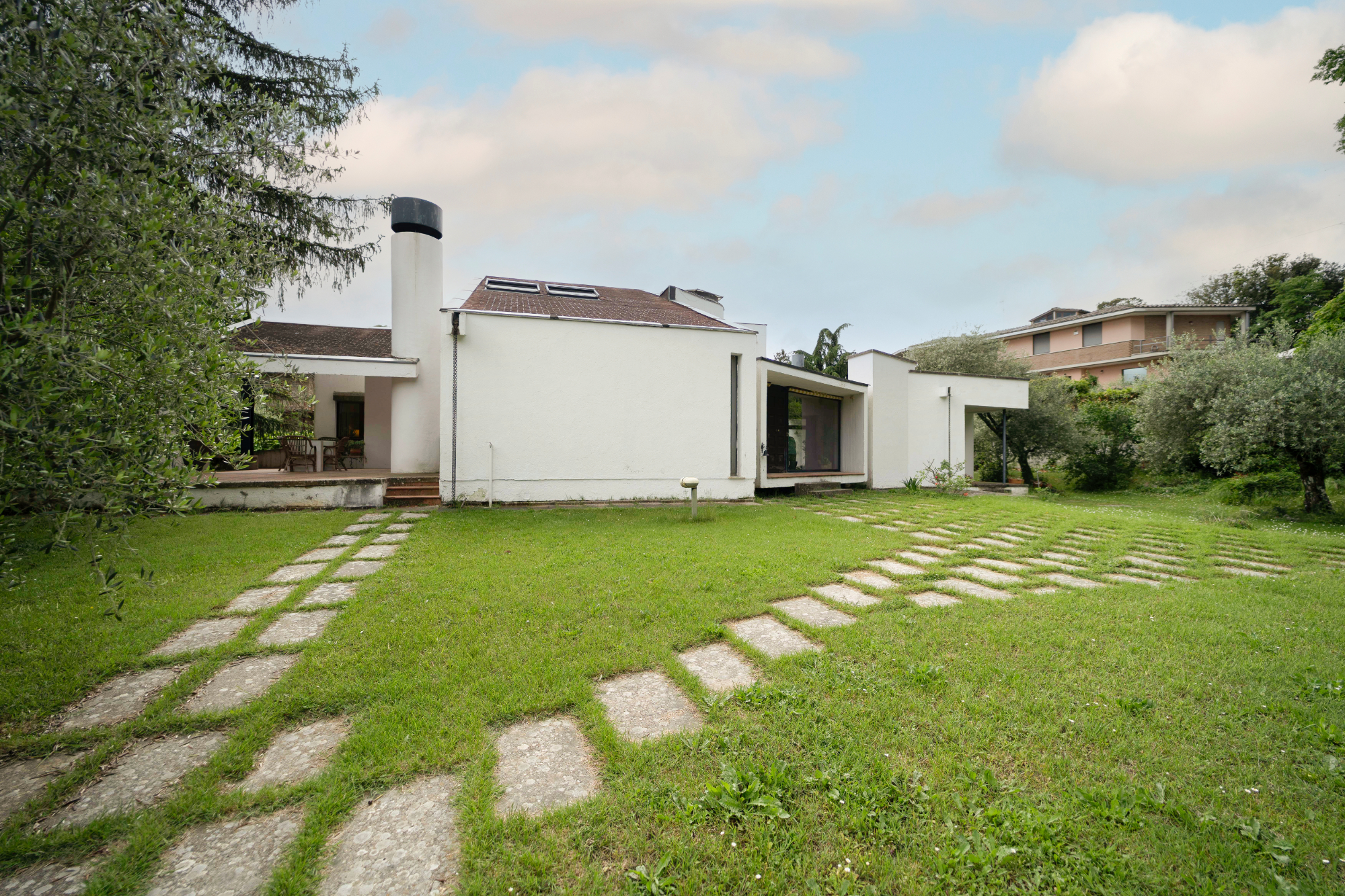
International investors look at Italy with a surgical precision that often eludes residents. They are not simply looking for 'value', they are looking for the sign. A 16th century palace in Venice or a brutalist work from the Seventies in the woods of Cortina share the same nature as a scarce asset. In 2025, the return on a property of this type is not measured in the rent, but in the ability of the object to remain relevant while the surrounding urban fabric changes or decays.
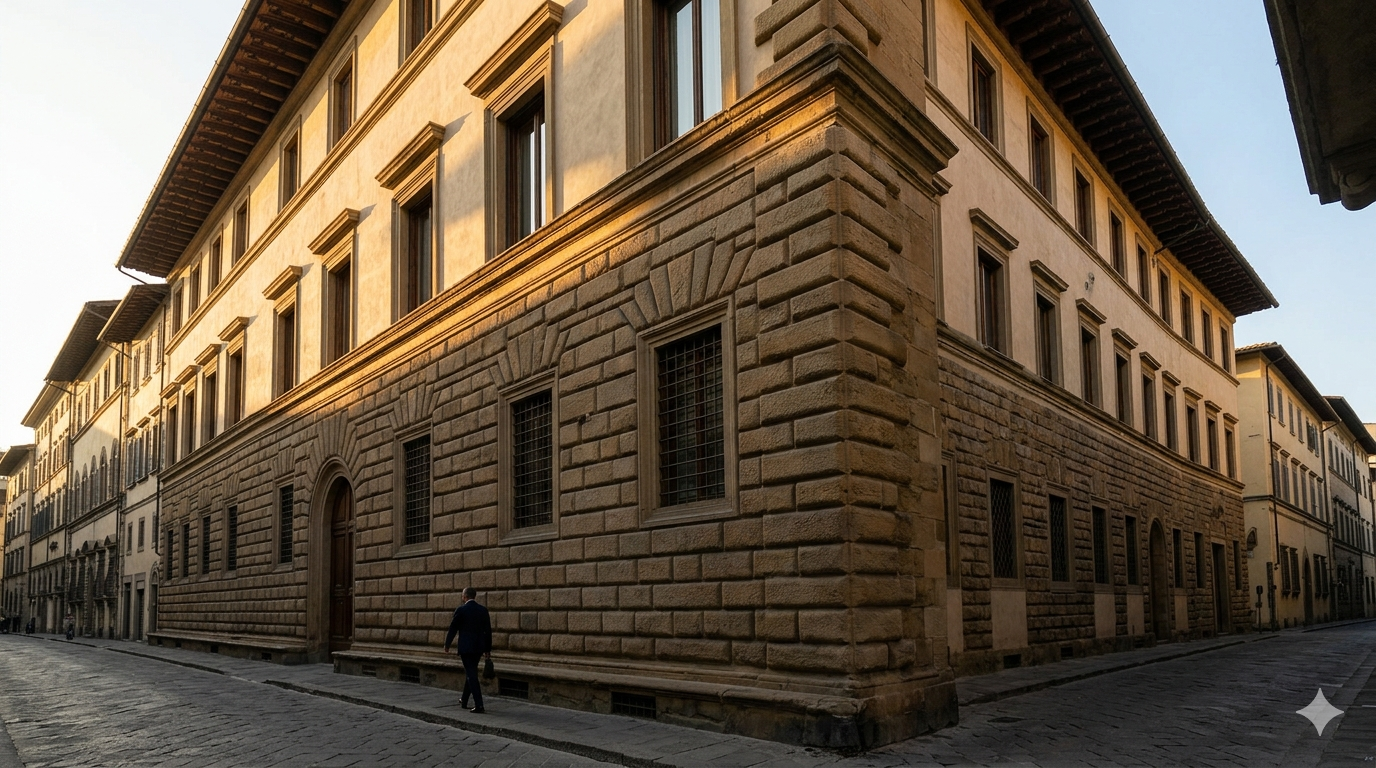
Price stability in this segment responds to logic close to those of the Fine Arts. If the average residential market fluctuates under the blows of interest rates, the Trophy Asset lives in a bubble of financial autonomy. Those who buy a piece of Italian architectural history are not buying a house, they are acquiring control over an asset that has no competitors. There is only one Villa Volpi, there is only one apartment directly overlooking the spires of the Duomo designed by a master of Rationalism.
The common mistake is to confuse cost with value. Cost is a mathematical calculation based on materials and labor; value is the perception of rarity over time. A building that bears the signature of an architect who redefined the visual language of the twentieth century will never suffer technical obsolescence. Its walls speak a language that investors in New York, Singapore or London instantly recognize, making the asset international by vocation, while remaining deeply rooted in Italian soil.
Choosing an architectural investment requires a culture that goes beyond the surface of the finishes. The brass handles are replaced, the resin floors are redone, but the golden ratio of a façade is a permanent fact. The new frontier of real estate investments is not found in the new smart districts, but in the rediscovery of those buildings that have already demonstrated that they know how to age better than their inhabitants.
Are we sure that the real ownership of a work of art does not lie, after all, in the daily commitment of those who choose to live in its rigor and light?
.png)