Recommended listening when reading Spotify: On the Nature of the Daylight- Max Richter
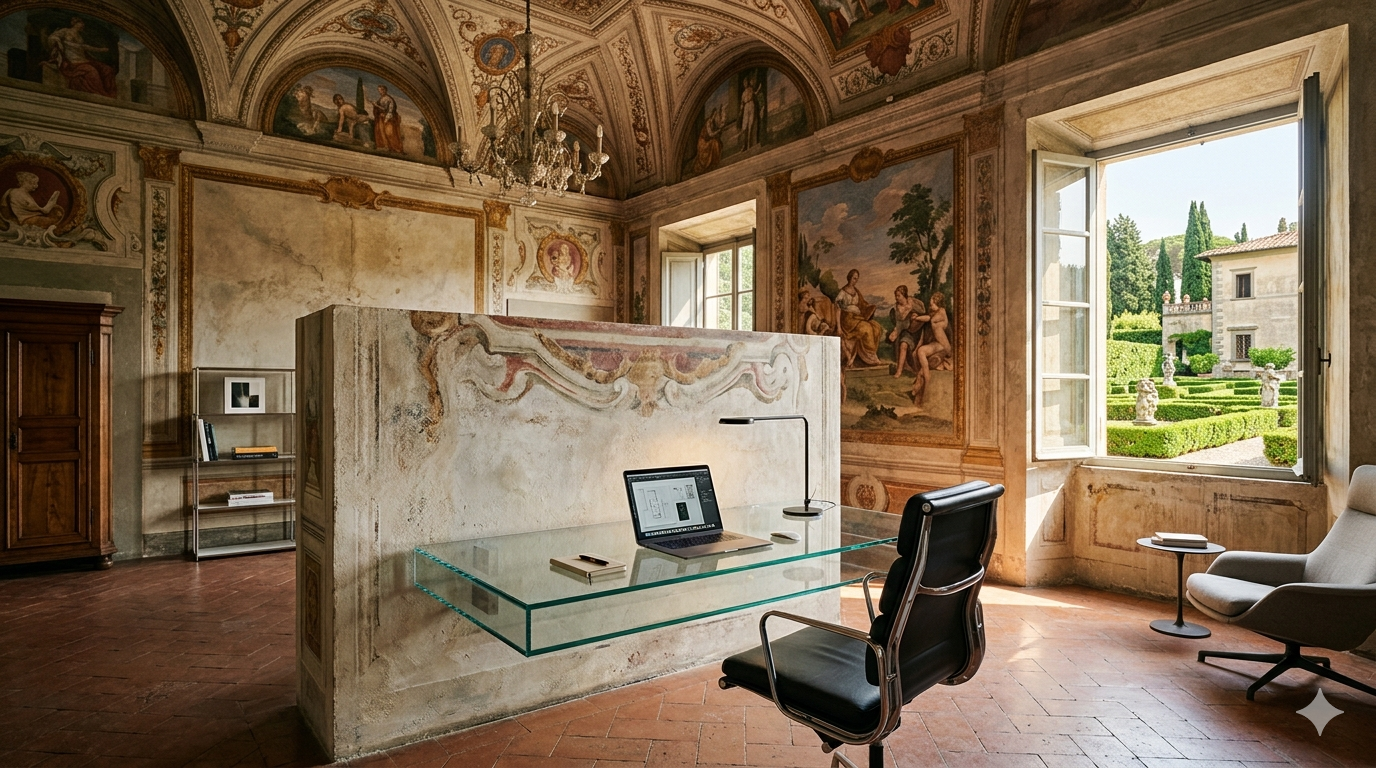
Technological integration takes place through visual subtraction, where plant engineering disappears in existing cavities or under the original floors. The use of lime-based thermal plasters and cork makes it possible to improve transmittance without altering the porosity of master walls. These materials respect the hygroscopic nature of ancient buildings, avoiding the formation of interstitial condensation typical of synthetic coats. As the architect and restorer Paolo Marconi recalls: “Restoration is an act of culture that cannot be separated from the technical knowledge of the subject”.
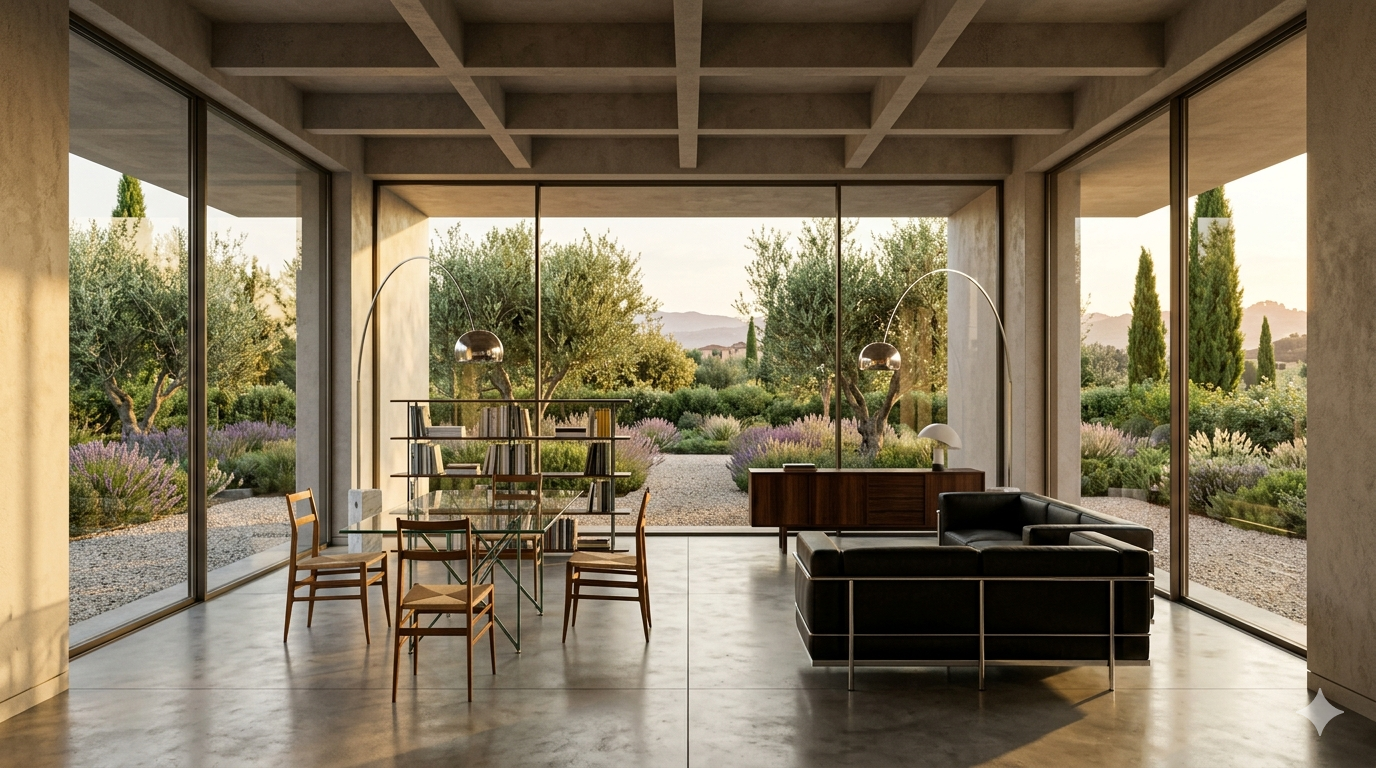
Fixtures represent the point of maximum aesthetic tension in a redevelopment project. The solution lies in the use of extremely thin steel or wood profiles, equipped with vacuum glazing (vacuum glass). This technology makes it possible to obtain insulating performance comparable to triple glass in a thickness of only 6 or 8 millimeters (data detected by the protocols of CasaClima for historic rehabilitation). In this way, the original partitions and the design of the facades remain intact, preserving the light and proportions conceived by the original designers.
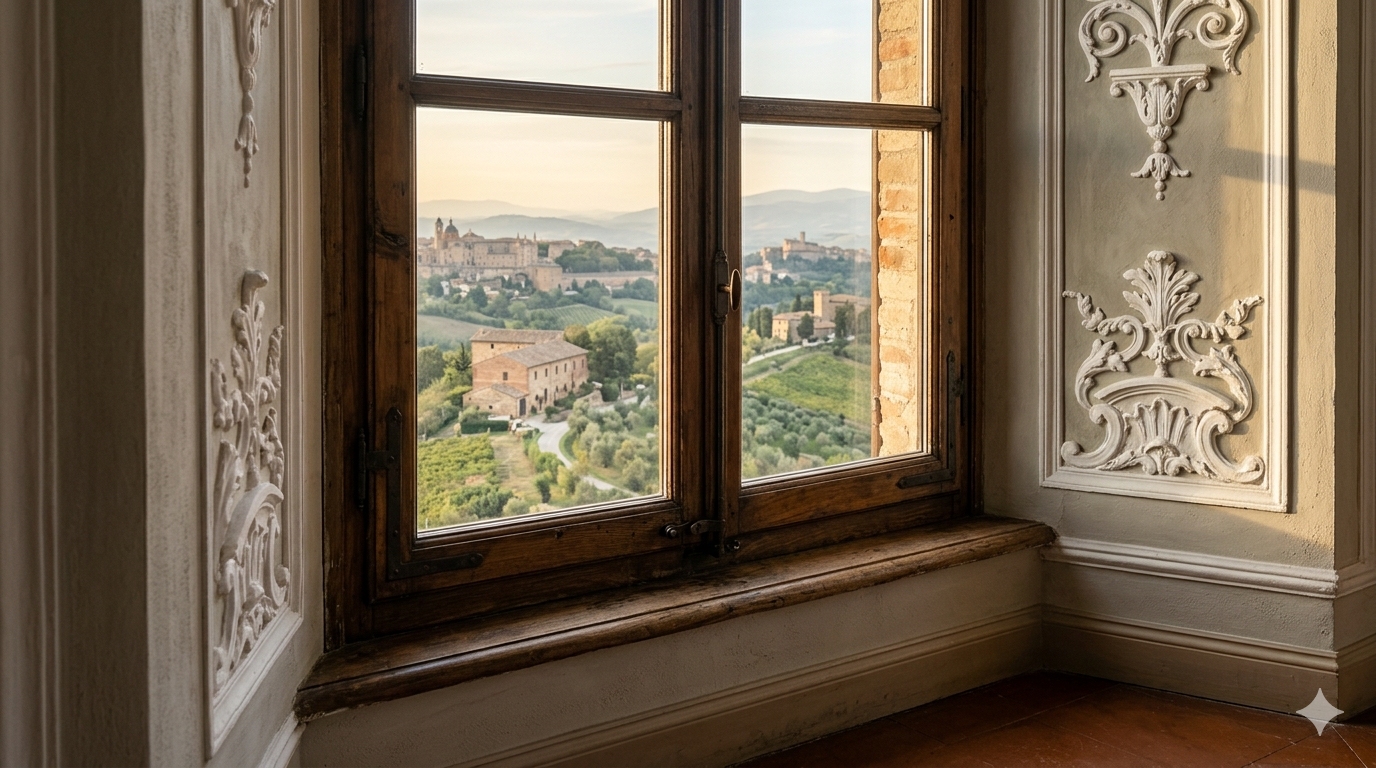
Indoor climate control relies on low-inertia radiant systems that can be installed dry on top of historic floors. Urban geothermal energy and water heat pumps represent valid alternatives when it is not possible to install visible outdoor units. “Architecture is the skilful, rigorous and magnificent game of volumes grouped under light” — wrote Le Corbusier in Towards an architecture, and today that light must not be sacrificed to heavy air conditioning systems. Controlled mechanical ventilation with heat recovery can be camouflaged inside fixed furniture or technical perimeter ceilings.
Artificial intelligence applied to invisible home automation optimizes consumption by analyzing the thermal inertia of large building masses. Microscopic wireless sensors monitor humidity and temperature, regulating energy flows only where and when needed. This approach makes it possible to reduce primary energy requirements without invasive structural interventions, while maintaining the flexibility of use of noble spaces. The building thus becomes a reactive organism, capable of protecting its past while looking at the challenges of the future.
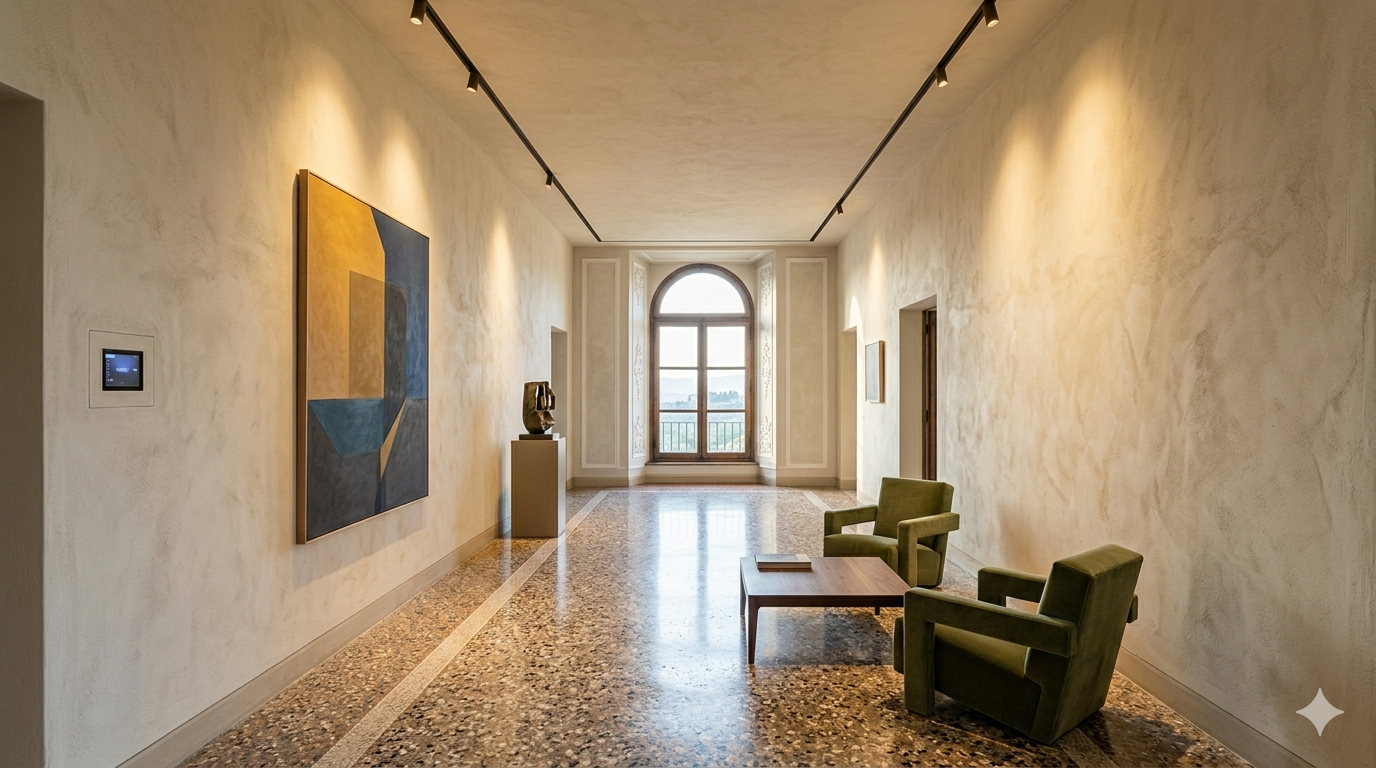
Those who start to consider sustainability as a silent project variable discover a value that the valuable real estate market is rapidly absorbing. It is not a matter of hiding modernity, but of making it intrinsic to the structure itself. The challenge is no longer how to insulate a wall, but how to ensure that its beauty continues to breathe.
What will be the next chapter for homes that have crossed the centuries without ever ceasing to evolve?
SOURCES
- South Tyrol Energy Agency — CasaClima, Historical Rehabilitation Protocol, 2023.
- MiC — Ministry of Culture, Guidelines for improving energy efficiency in cultural heritage, 2015.
- Archive Domusweb, Technologies for the recovery of modern and historic architecture.
- Politecnico di Milano, Department of Architecture and Urban Studies, Research on integrated conservation.
.png)