Recommended listening when reading Spotify: Distance - Two Lanes
Ignoring solar incidence means designing blind boxes. Architecture is not the sum of square meters and fine finishes: it is the relationship between empty, full spaces and the passing of time. A window does not only serve to look outside, it serves to let the world in, measured in lumens and degrees Kelvin. Natural light has a specific weight that changes the perception of the materials themselves.
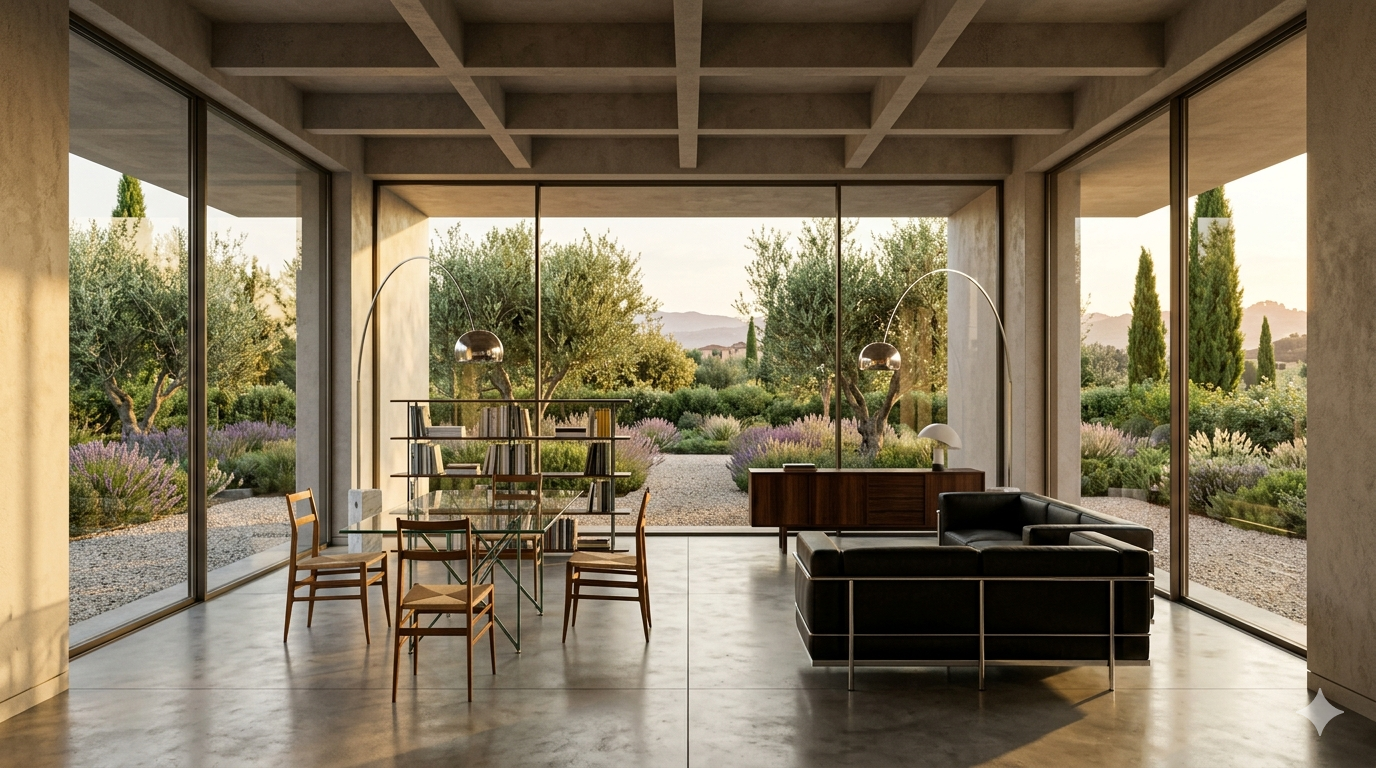
Glass is no longer a border, but a dynamic filter. In fine renovations, the use of extra-clear glass at full height seeks to cancel the visual barrier, integrating the landscape into the interior. It's not about showing a garden, but about capturing the light reflected by the vegetation, which changes color and intensity with the seasons. It's an invisible luxury.
The orientation of the spaces defines the function and the atmosphere. A living area facing south-east requires control strategies that are radically different from a north-facing studio. The morning light is cold and stimulating; the afternoon light is warm and enveloping. Designing means predicting these variations and exploiting them for specific purposes.
.png)
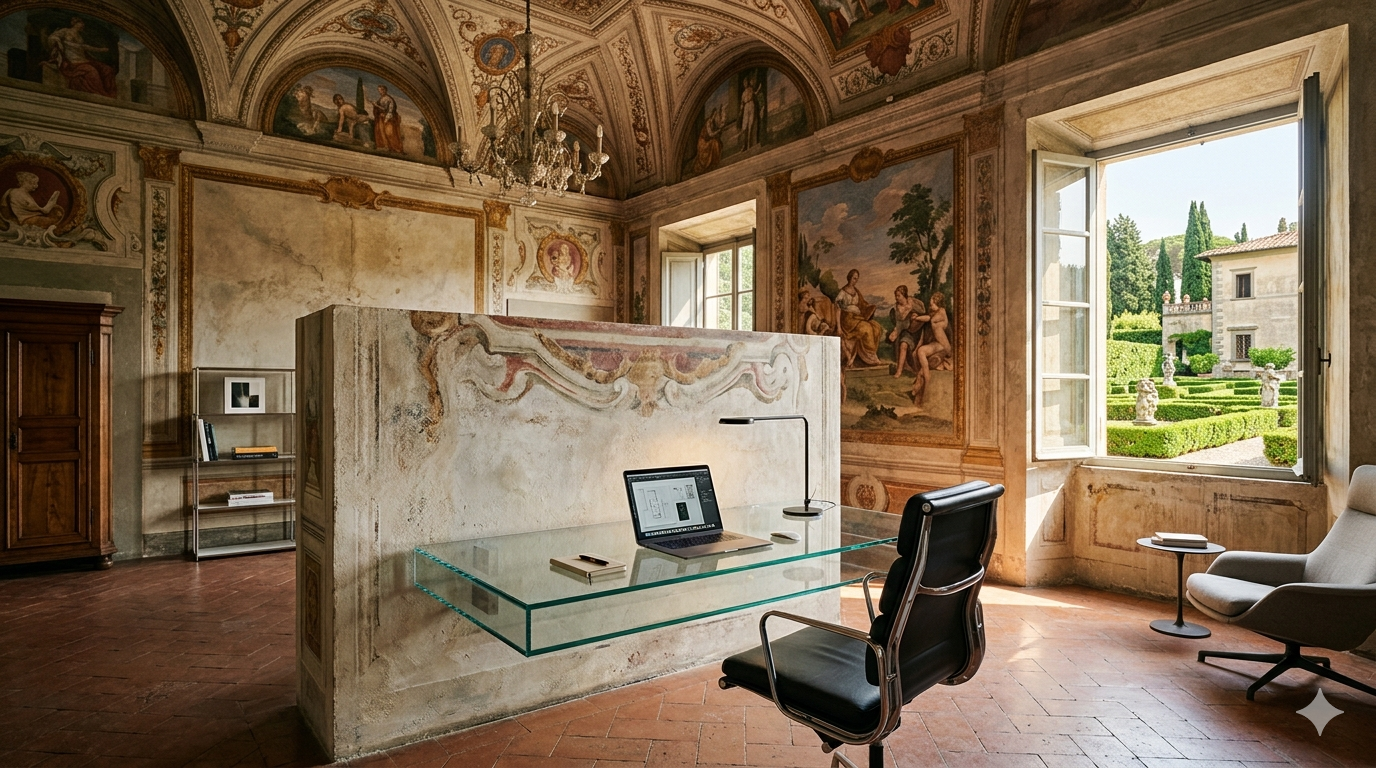
A masterful example of this sensitivity can be found in the work of Gio Ponti. His windows were not simple openings, but “paintings” designed to frame portions of the sky and place the stucco or ceramic surfaces in dialogue with the sun. Light, for Ponti, was a dynamic and free piece of furniture.
In an era of artificial overexposure, the real advantage is the control of darkness and penumbra. We are not looking for the maximum possible lighting, but the best light calibration. Visual comfort is not achieved with homogeneity, but with balanced contrast. Light defines volume; shadow defines intimacy.
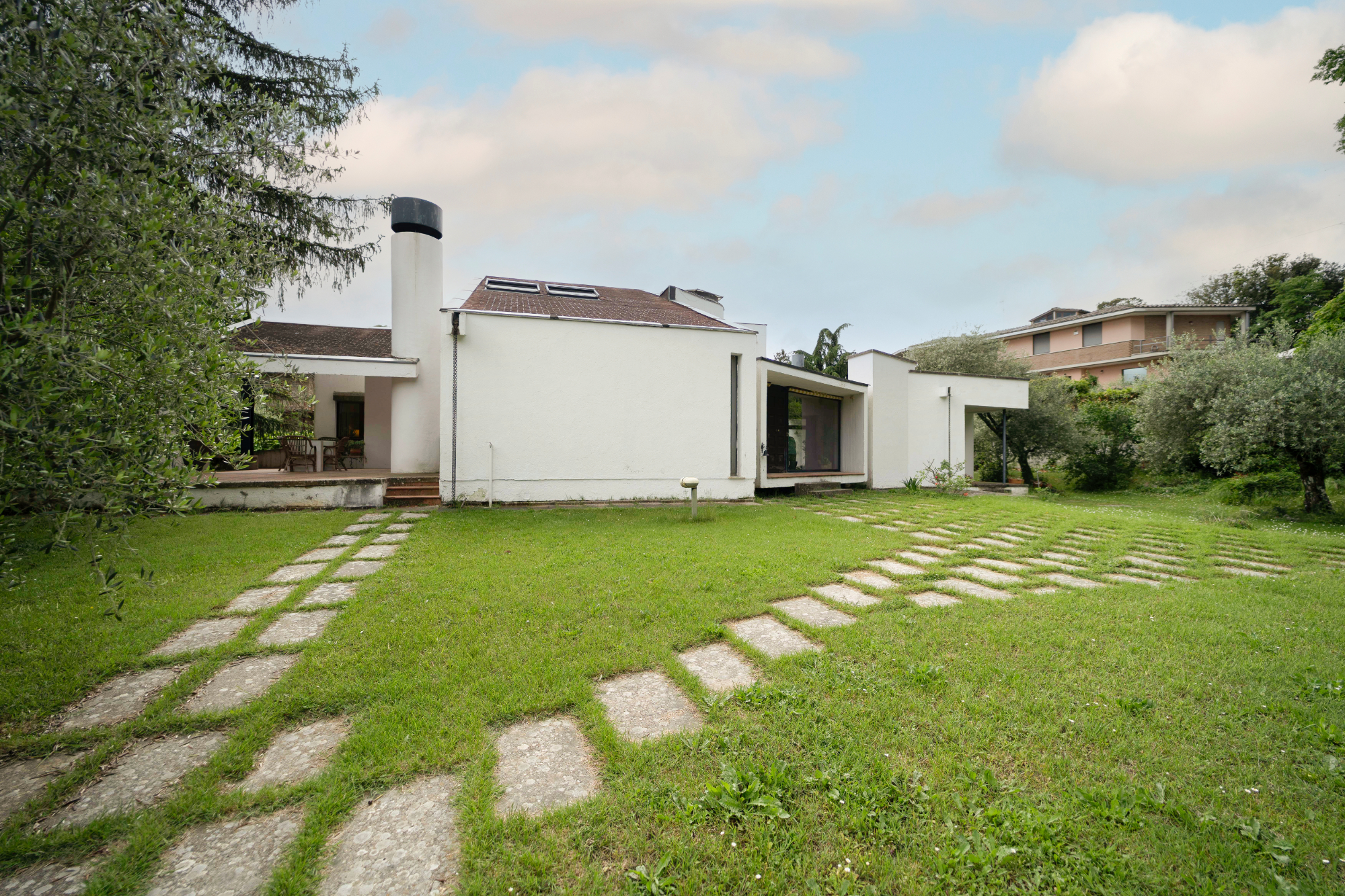
Investing in a property with architectural value means acquiring, first of all, a conscious orientation. It means recognizing that the layout of the rooms is not arbitrary, but dictated by a design intelligence that places man at the center of the solar cycle. The value of a property is also measured by its ability to capture the right light at the right time.
.png)
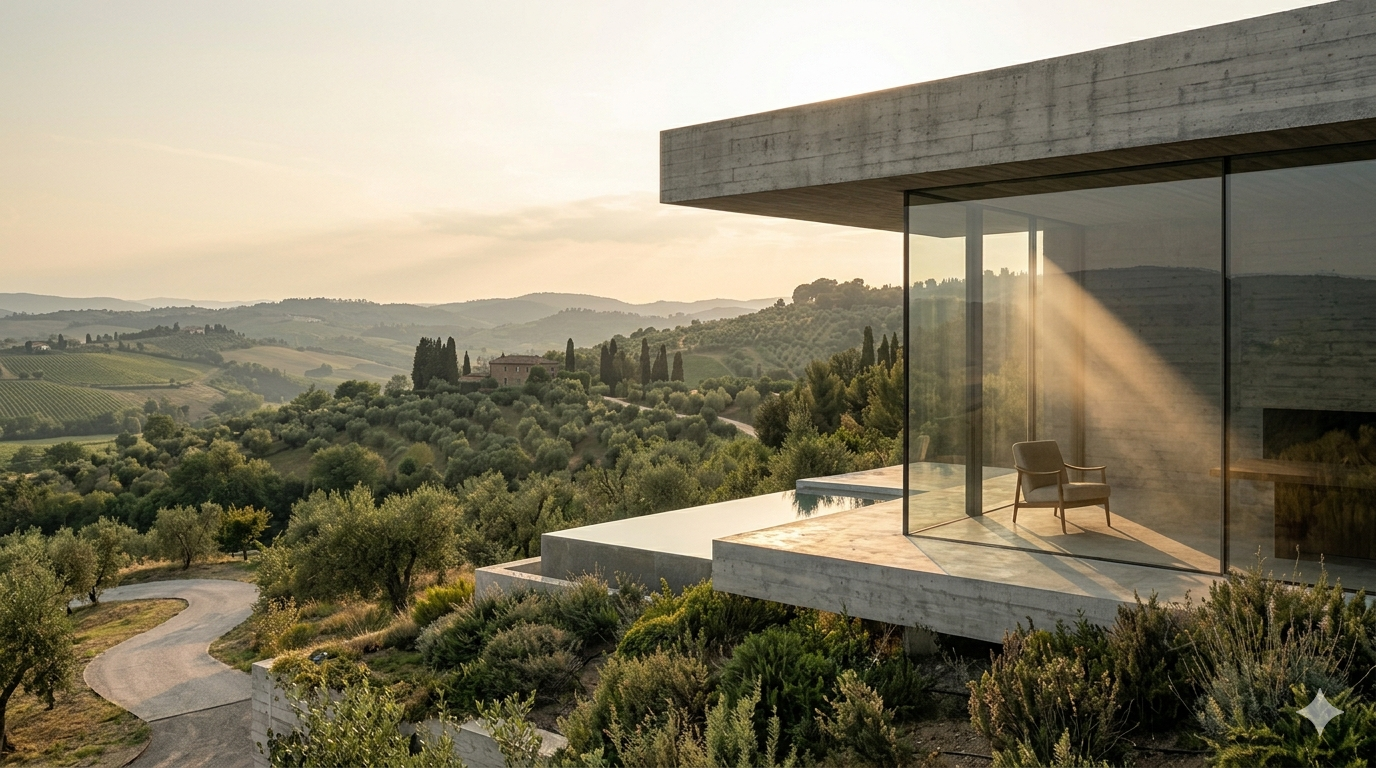
Think of how a ray of sunlight cuts diagonally across an empty room at noon, revealing the texture of the floor and the dust in the air. It's a fleeting moment, but it defines the soul of that space more than any piece of design. How much is that moment worth in your day?
.png)